
Where the City's firms sit
Corporate headshots in the City of London are taken where the firm already works, and in the Square Mile that covers a wide range of buildings. Banks and their advisers are found around Bank and Moorgate. The towers along Bishopsgate, among them 22 Bishopsgate and 8 Bishopsgate, hold financial and professional firms stacked floor above floor. The insurance market fills the streets around the Lloyd's building on Lime Street and spreads along Leadenhall Street, Fenchurch Street and Gracechurch Street. Barristers' chambers gather in the Temple, at the City's western edge, and law firms run from Fleet Street eastwards to the newer towers. Asset managers, consultancies and accountancy practices are spread across the rest of the Square Mile, from Paternoster Square beside St Paul's to the Broadgate estate next to Liverpool Street.
The buildings vary as much as the firms. Glass towers have deep floor plates and trading floors. Older stone buildings in the lanes off Cheapside and along Fleet Street have smaller rooms and period interiors, and the managed estates keep their own security. Reaching any of them is easy. Bank station brings together the Central, Northern and Waterloo and City lines with the DLR. Liverpool Street's Elizabeth line platforms run through to a second ticket hall at Moorgate, and Fenchurch Street brings commuters in from Essex.
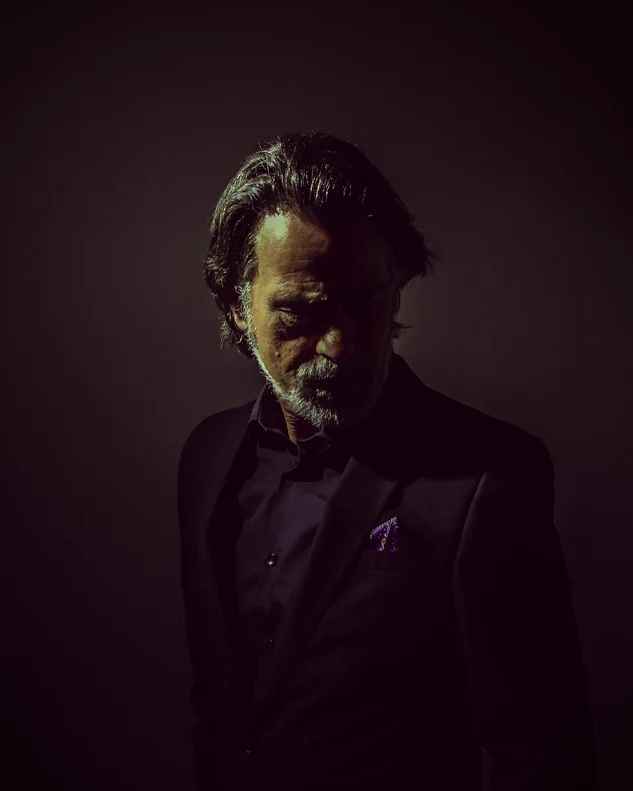

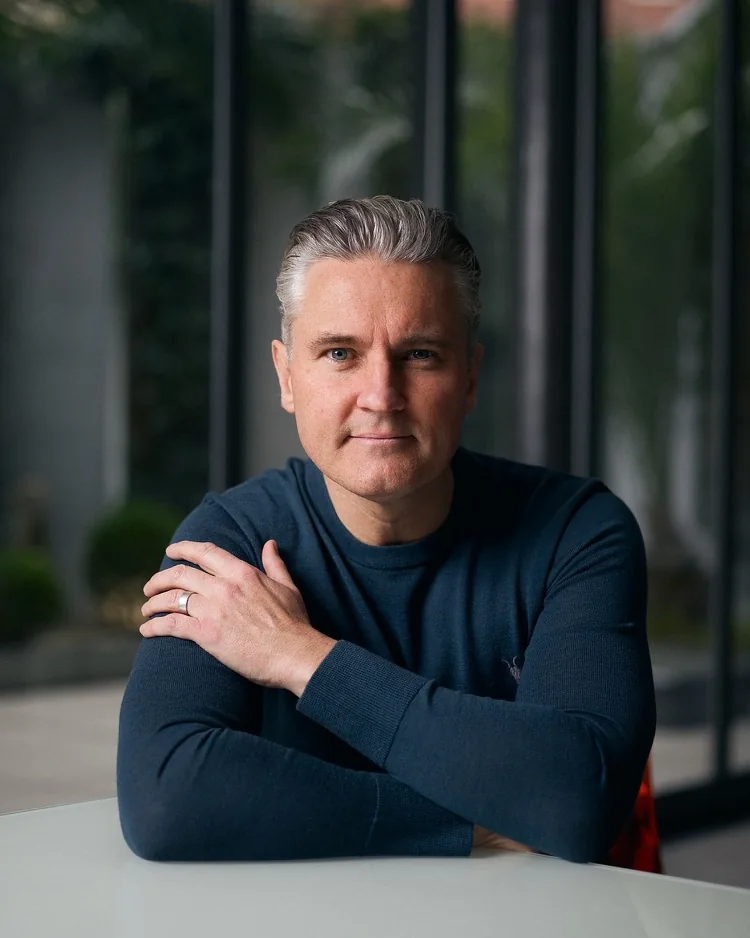

Four sittings, one eye line.The line is the Standard.
Passes, loading bays and lifts
Every building has its own procedure, and the day goes best when it is settled a week or two before. In most towers, anyone without a pass is registered in advance, shows photo ID at reception and goes through the turnstiles on a temporary pass. Equipment is often treated separately. Many towers want contractors' kit to arrive at a loading bay, often reached from a side street, in a booked window. It then travels up in the goods lift rather than through the main lobby. Some managing agents also ask for a method statement or insurance details before they issue contractor passes, which is worth checking early.
Certain addresses add another layer. Managed estates such as Broadgate and Paternoster Square have their own security and rules, which apply alongside those of the individual building. If the session takes place inside the Lloyd's building on Lime Street, its own visitor rules apply. Visitors are admitted on weekdays, show photo ID for a pass and stay with their host for the whole visit. Someone from your side will therefore need to be with us through the day.
Rooms that work in City buildings
In a tower, the best room is usually an internal one. Rooms along the curtain wall take full daylight, and on a clear afternoon the sun moving across the glass changes the light from one sitter to the next. A windowless training room, or a meeting room with blinds that close fully, keeps every frame steady. Glass-walled rooms on an open floor work too, provided the glass is frosted or screened, since few people enjoy being photographed in full view of their colleagues.
Pick a floor where most of the sitters work, close to the lifts, so a ten-minute window does not grow into twenty. In the older buildings around Fleet Street and the Temple, a panelled boardroom or library makes a fine background for Environmental portraits.
Six questions every buyer asks
What does it cost?
GBP 2,950 plus VAT for a Standard Day of up to 40 people. Everything is priced by the day and sold to the firm; nothing is sold per person.
See all pricesHow long is each person away from their desk?
Ten minutes. Five or six of them are in front of the camera; the rest is walking there, approving the frames on screen and walking back.
A day at your officeWhat does the room need?
A meeting room of about four by three metres with two sockets, and battery lighting if there are none. The studio is up in 30 minutes and down in 20, and nothing is left behind at lunchtime.
The room specificationHow quickly do the images come back?
Proofs of the approved frames on the day. The full finished set, in every placement format, through the sitter portal within ten working days.
What finishing involvesWhat happens when someone joins next month?
Their session is matched to your written Standard, at the next programme day or at a catch-up session, so the new image sits in the set without looking new.
How the programme worksWho else has used you?
Corporate headshot work to date includes a global employment platform, a software company and a multi-family office; a firm is named only once it has agreed in writing. The Managing Director's portrait work has been exhibited at the National Portrait Gallery and her commercial clients include Formula E, Porsche and Aston Martin.
See the workTiming a day in the Square Mile
The City starts early, and the session can start with it. On a trading floor, windows before the London open at eight let traders sit before the market needs them. Setup has to happen before the first window, so if traders are sitting before the open, agree an early arrival with security a few days ahead.
Later in the day, people who spend their mornings at client meetings are easier to catch. Keeping a lunchtime block of windows, roughly between twelve and two, gives coverage bankers, brokers and lawyers a realistic chance to sit. It also suits insurance teams whose underwriters move between the Lloyd's building and their own offices. Avoid dates that are already full, too: results days, quarter-end and the week a large transaction closes.
Booking a City day
A Standard Day photographs up to 40 people in one building. Larger firms book a day for each building or each large team, and smaller groups in a second office can walk across to join the nearest session. Partners and directors who need more than one finished portrait are better suited to an Executive Day, with a dozen places. Each sitter books through the link you circulate, signs off their pictures before leaving the room, and later collects every format from their own gallery.
For firms that want their corporate headshots in the City of London to stay current, the Quarterly Programme brings us back four times a year, each visit matched to your written Standard. Tell us your building, the floors involved and the number of people, and we will reply with dates and a note of what your building is likely to need.