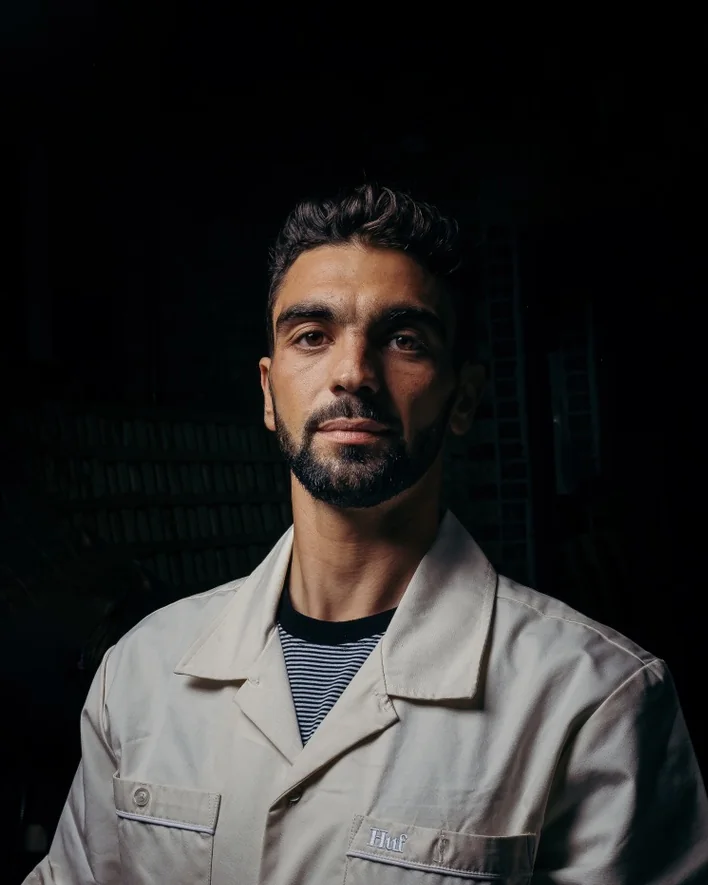
When investment firms need new portraits
Private equity headshots are usually commissioned against a fundraising timetable. Before a fund launches, the website, the placement memorandum and the pitch deck all need current portraits. Investors meeting the team on a roadshow will have studied those faces before they walk in. A first close or a final close often brings new hires with it, and a new strategy can bring a whole team that must sit convincingly beside the existing partners.
The year adds smaller occasions. Promotions to principal or partner bring announcements of their own. Operating partners and senior advisers join between funds. A spin-out, when a team leaves a larger manager to set up on its own, needs a full set of portraits before its website goes live. In asset management, a change of fund manager is announced to clients and the press, and the new manager needs a photograph for it. Factsheets and investment trust annual reports often carry the portfolio managers' faces as well. An annual investor meeting, a rebrand or a new office abroad each brings the question back.
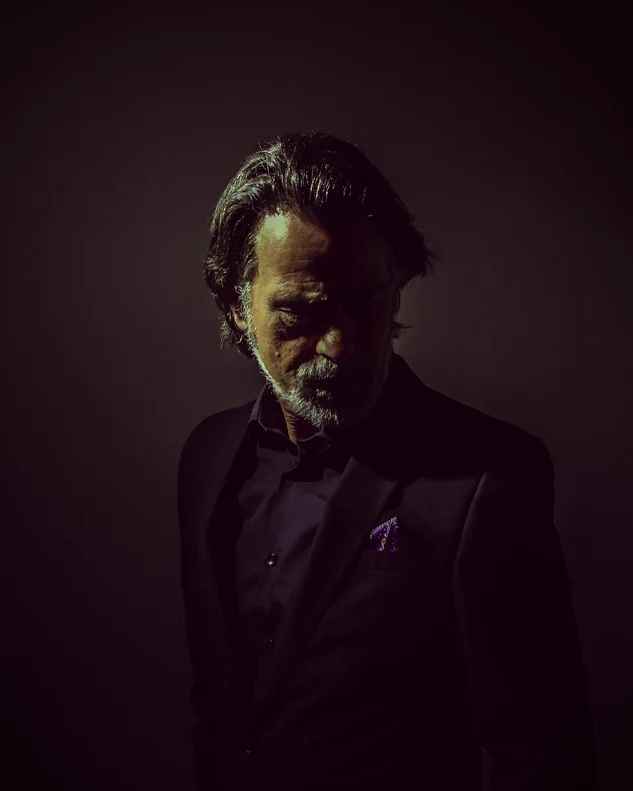
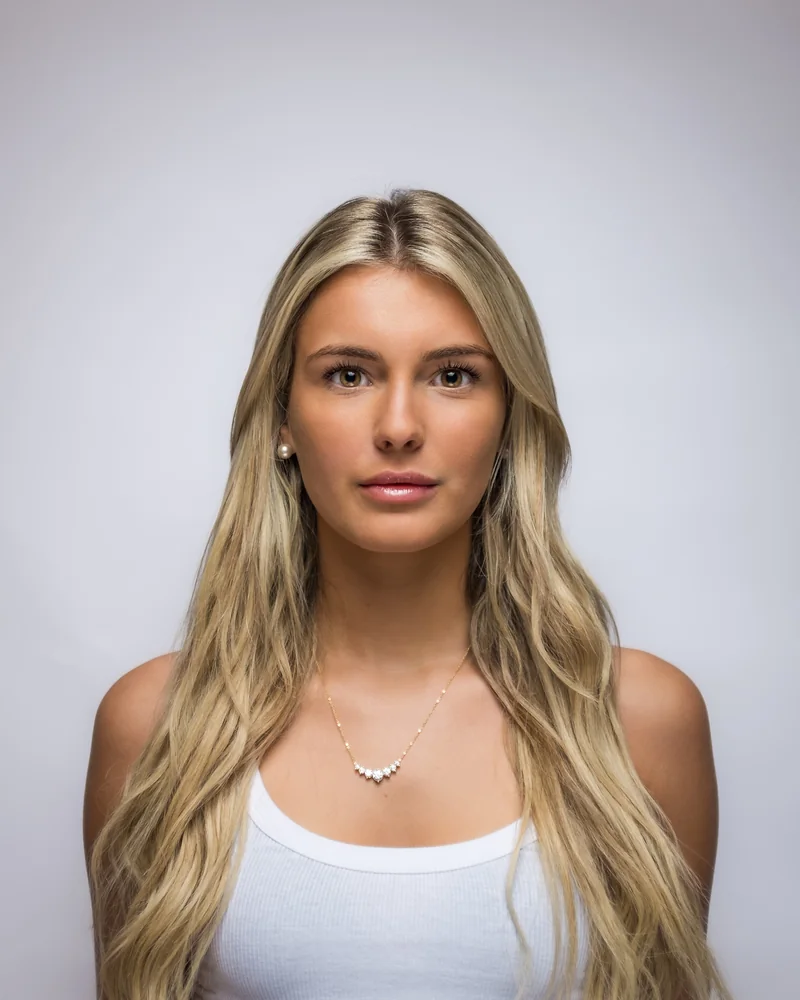
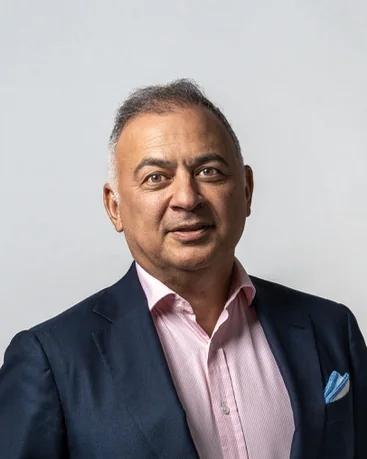
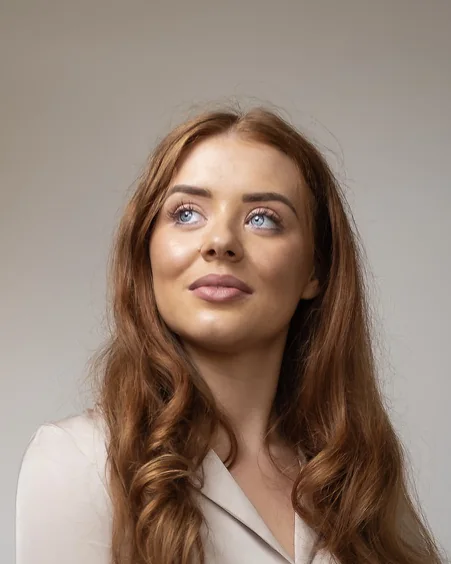
Partners on Editorial, the team on Classic, the eyes on one line.The line is the Standard.
How the private markets like to be seen
For a private markets firm, the team page is often the first thing a limited partner, a consultant or a founder reads. It is usually read before the deck is opened, and it has to look like a single, settled firm. Classic portraits on grey or white suit most firms. Some put the whole team in black and white, with a Monochrome finish applied to every portrait, and others choose Environmental portraits made in their own rooms.
Seniority is visible on a team page, which is normally ordered from managing partner down. The partners and the investment committee are best photographed on an Executive Day, where every sitter receives three finished portraits rather than one. Everyone else sits on a Standard Day. Because the Standard fixes the scale of each head in the frame, the grid stays even from the first row to the last, and a new analyst never looks larger than the founder.
Discretion runs through all of it. Many investment professionals keep a low public profile, and some firms publish no one below partner. Only the people you invite receive the link to book, the camera is set up behind a closed door, and each sitter reviews and approves their own frames before leaving. Nothing confidential enters the frame: no portfolio dashboards, no deal names on whiteboards, no investor lists left on a table. We do not name our clients anywhere.
How a day runs at a fund manager
Investment teams travel to portfolio companies, to investors and to deals. The right date is one the whole firm already keeps in the office, such as the day of a weekly team meeting or the week before a roadshow begins. Once the firm has sent round the link, people pick their own ten-minute windows and investment committee meetings stay untouched. Portfolio managers at an asset manager can pick times away from the market open and the close.
A smaller firm can be covered completely by an Executive Day for the partners, capped at 12, and a Standard Day for everyone else, which holds up to 40. A boardroom that is free for the day works well, with the blinds down and the door closed.
Six questions every buyer asks
What does it cost?
GBP 2,950 plus VAT for a Standard Day of up to 40 people. Everything is priced by the day and sold to the firm; nothing is sold per person.
See all pricesHow long is each person away from their desk?
Ten minutes. Five or six of them are in front of the camera; the rest is walking there, approving the frames on screen and walking back.
A day at your officeWhat does the room need?
A meeting room of about four by three metres with two sockets, and battery lighting if there are none. The studio is up in 30 minutes and down in 20, and nothing is left behind at lunchtime.
The room specificationHow quickly do the images come back?
Proofs of the approved frames on the day. The full finished set, in every placement format, through the sitter portal within ten working days.
What finishing involvesWhat happens when someone joins next month?
Their session is matched to your written Standard, at the next programme day or at a catch-up session, so the new image sits in the set without looking new.
How the programme worksWho else has used you?
Corporate headshot work to date includes a global employment platform, a software company and a multi-family office; a firm is named only once it has agreed in writing. The Managing Director's portrait work has been exhibited at the National Portrait Gallery and her commercial clients include Formula E, Porsche and Aston Martin.
See the workA programme that follows the reporting cycle
Private markets already run on quarters. Investors receive a report every three months, and that report often announces new hires and promotions. The Quarterly Programme follows the same rhythm, with four Standard Days spread through the year at an agreed day rate. The new associate named in the quarterly letter then has a portrait that matches the rest of the team. For offices in New York, Luxembourg or elsewhere abroad, the Worldwide Day applies, with travel charged at cost and a minimum of two days outside the UK. Between visits, anyone can return to their gallery and download their files again.
Every session after the first is held to your written Corporate Headshot Standard. Our retoucher corrects lens and perspective and matches exposure and white balance to the reference frame. Passing blemishes and reflections in spectacles go, skin texture stays, and the backdrop is evened from one portrait to the next. A partner photographed for the last fund and an associate who joined after the first close then look as though they sat on the same afternoon. Private equity headshots kept this way let the website, the deck and the annual meeting show one firm.
Send us a headcount for each location and the date of your next fundraise or investor meeting, and we will plan the visits to suit.